Resource
IT Project ManagementResource
Microsoft Power BI ModuleFeature
Feature
Feature

Artificial Intelligence is reshaping every industry, and MyEducator helps students get ahead of the curve. Through guided projects and real-world scenarios, learners experiment with AI tools, understand how machine learning actually works, and practice using AI responsibly and effectively. Built-in assessments track progress automatically, giving instructors clear visibility into student performance, while ready-to-use course materials and simple LMS setup mean less prep time and more teaching time. Along the way, students collect microcredentials that showcase their growing AI fluency to future employers.

Producing an analysis has become cheap, but judging one has not. This resource prepares managers for the part of analytics that remains theirs: framing consequential business questions, directing AI-assisted analysis, and deciding whether a result deserves action. Students use AI to generate Python code but learn enough to read it, test it, and spot problems like data leakage and misleading charts. Organized around CRISP-DM, the resource moves from data exploration and cleaning through regression and classification to deployment, strategy, and responsible analytics, ending in a capstone project. Students leave able to brief an analyst or AI assistant, explain what was tested, and defend a decision to a skeptical executive audience.
Learn More →
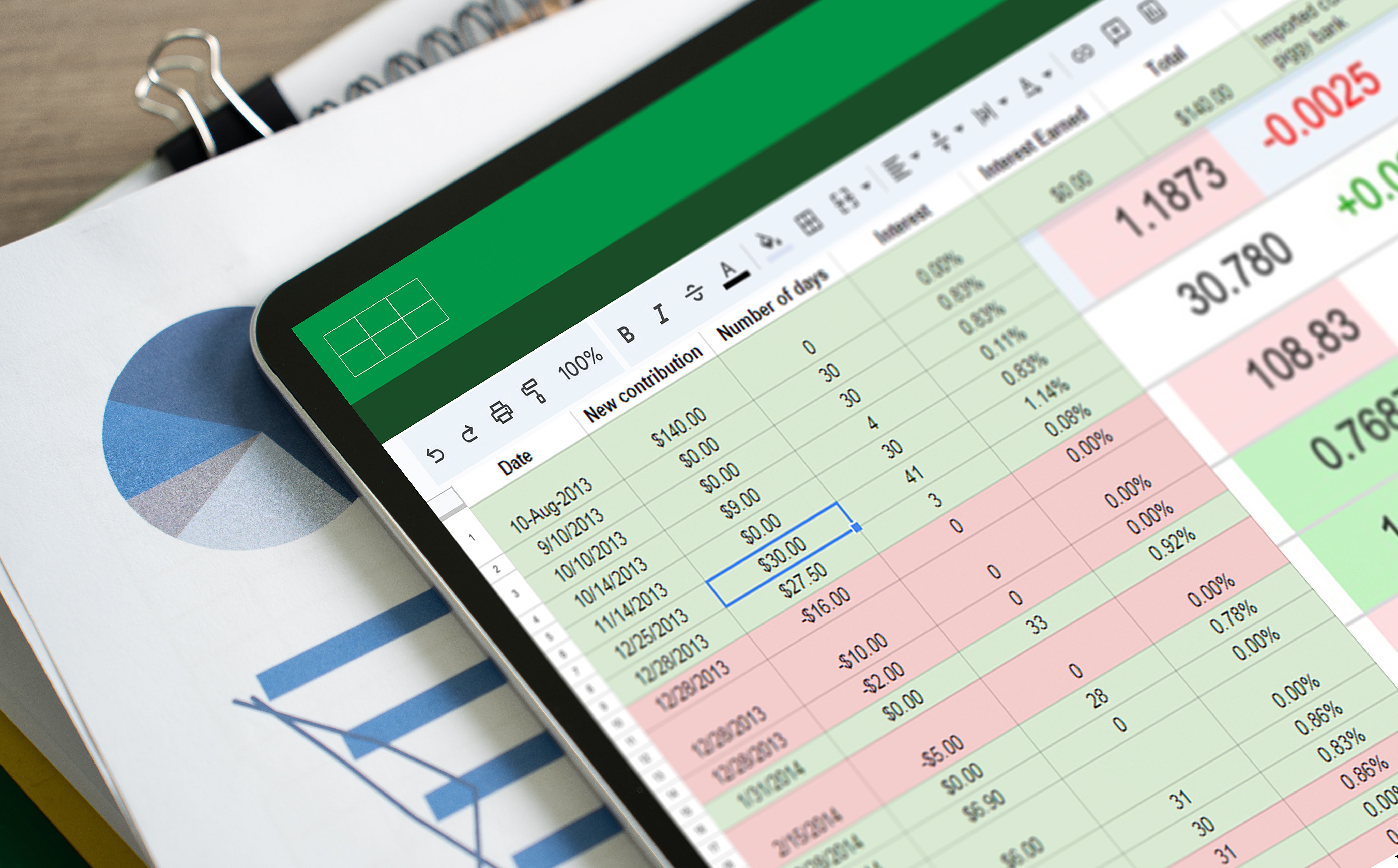
Students can have AI finish an Excel assignment in seconds, but this resource makes sure they actually learn it. Built for Excel Online, it takes students from foundational skills through formulas, logic functions, charting, tables, conditional formatting, modeling, statistics, and PivotTables, then extends into database design and SQL, with readings, lecture videos, practice problems, and automatically graded assignments in every lesson. Lisa, a 24/7 AI tutor, helps students troubleshoot in real time, while Alex interviews them about their work as part of the grade, so full credit requires real understanding. Students finish with a verified certificate for LinkedIn and their resume.
Learn More →
Students can have AI finish an Excel assignment in seconds, but this resource makes sure they actually learn it. Instruction and grading happen inside live Microsoft Excel, covering formulas, modeling, statistics, PivotTables, optimization, and SQL, with instant automated grading and built-in cheating detection. Lisa, a 24/7 AI tutor, helps students troubleshoot in real time, while Alex asks them to explain their reasoning to earn full credit. Students finish with a verified certificate for LinkedIn and their resume.
Learn More →
Students are quietly splitting into two groups: those whose abilities are compounding with AI and those whose abilities are eroding while their grades hide it. This resource, designed for undergraduate students in any program, teaches the specific, learnable habits that separate the two. Built on the AI Engagement Model, students learn calibrated trust and how to escape the Oracle Trap of uncritical acceptance. They then use AI as a thinking partner to learn hard material, prepare for exams, work through problem sets, write in their own voice, and handle research and group projects, while delegating busywork and managing AI agents without giving up their own judgment. Students leave not just knowing how to use AI, but how to think better with it, a skill that transfers to every course, career, and domain they encounter.
Learn More →
AI delivers value only when it is aligned with business strategy, and this resource shows students how to make that happen. Built for MIS and upper-level business students, it covers the real technologies behind AI, including rule-based systems, predictive AI, computer vision, natural language processing, autonomous AI, and large language models, along with hands-on prompt engineering. Students then anchor that knowledge in the Enterprise Architecture framework, learning how data architecture, governance, people, and process transformation fit together to deploy AI at scale. With dedicated coverage of ethics, risk management, and agentic AI, students leave knowing not just how to use AI, but how to architect it into a business.
Learn More →
More than 60 percent of U.S. working-age adults now use generative AI, so the real question for students is no longer whether they will use it, but what it will do to them over time. This resource, designed for any program from business to general education, teaches the habits that make students more capable instead of more dependent. Students choose one major AI tool, such as Claude or ChatGPT, and stay with it throughout, so their work is judged on their framing, checking, and judgment rather than the product name. Built on the AI Engagement Model, they learn calibrated trust, how to avoid the Oracle Trap of uncritical acceptance, and how to preserve their own judgment. Working through a running business case, they frame problems before building, manage AI as part of an evidence team, build, test, and verify, then integrate the evidence, decide, and defend their work. The result is durable AI fluency that transfers to any tool.
Learn More →
AI can produce a forecast in seconds, but only analysts who understand the logic underneath can tell whether to trust it. This resource builds that understanding in Excel, where students see the inner workings of core models instead of treating them as black boxes. With business understanding at its core, students learn the four types of analytics, then work through business intelligence, data warehousing, statistical modeling, forecasting, optimization, simulation, data mining, and natural language processing, applied across marketing, finance, and operations. Throughout, AI enhances and externally validates their solutions, and the resource closes with AI tools and ethics, preparing students to use AI with both confidence and judgment.
Learn More →
Designed for general business undergraduates and MBA students, no advanced programming or math required, AI in Human Working Environments walks through the full development life cycle: identifying a problem, gathering and preparing data, building a custom AI tool, and evaluating its impact. It's a hands-on introduction to using AI as a practical tool for solving real business problems.
Learn More →
This resource teaches students to build a strong marketing strategy skillset by pairing time-tested frameworks with AI as a creative and strategic partner. Across seven chapters, students identify opportunities and threats, understand consumers and segments, build a vision, create value, measure performance, and learn when to pivot. Each chapter features a "Do Marketing with AI" activity where students use AI to mine trends, run SWOT analyses, build buyer personas, pressure-test positioning, calculate breakeven and ROI, and simulate pivots, strengthening their strategic thinking rather than replacing it.
Learn More →
Will AI take your job? It's the question every student is asking, and this resource answers it the practical way: by building the technology knowledge that keeps them valuable. Students gain a solid foundation in business computing, from hardware, software, operating systems, and data storage to networks, the internet, cloud computing, and mobile applications. They explore how AI and business intelligence are used in organizations, then put it to work with spreadsheets and databases. Students leave understanding the technology behind modern business, and where they fit in a world that is advancing quickly.
Learn More →
Anyone can generate a chart or a model with AI in minutes. The harder question is whether the result is strong enough to guide action. This resource teaches students to answer it, building data literacy and model awareness through Python and AI-assisted workflows. Following one process from business question to recommendation, students learn Python fundamentals, then use the CRISP-DM framework to clean data, engineer features, and build and evaluate regression and classification models. They also learn to communicate results, govern analytics responsibly, and check bias and ethics. An end-to-end pipeline project and technical interview preparation give students a portfolio-ready finish.
Learn More →