This is part 3 of a series on student health and wellness. Part 1 introduces the wellness wheel, and part 2 covers emotional health. This post addresses mental health for students in an online setting.
Students are more attuned to mental health than ever, and online students face particular challenges in balancing mental health with coursework and other responsibilities. In this post, we will discuss strategies for improving your mental well-being as an online student.
What Is Mental Health?
If you recall our discussion from part 1, “The Wellness Wheel: Improving Well-Being and Academic Performance for Online Students,” you’ll notice that mental health is not considered part of the wellness wheel. This is because many different aspects of the wellness wheel influence our mental health. For example, a lack of social interaction (social wellness) can worsen mental health problems, and so can feeling like your work is not meaningful or valuable (occupational wellness). Regular exercise (physical wellness) can improve mental health, and so can connecting with a higher sense of purpose (spiritual wellness). This is why it’s important to approach student mental health from a holistic view, taking into account the different factors that contribute to overall health and well-being.
Emotional health is one part of the wellness wheel that greatly influences mental health, but they are not the same thing. Emotional health is the ability to effectively manage a range of emotions in a constructive way. On the other hand the World Health Organization defines mental health as “a state of well-being in which the individual realizes his or her own abilities, can cope with the normal stresses of life, can work productively and fruitfully, and is able to make a contribution to his or her community.” While our ability to manage our emotions plays an important part in our mental health, mental health is a broader concept encompassing overall psychological well-being.
Common Mental Health Challenges
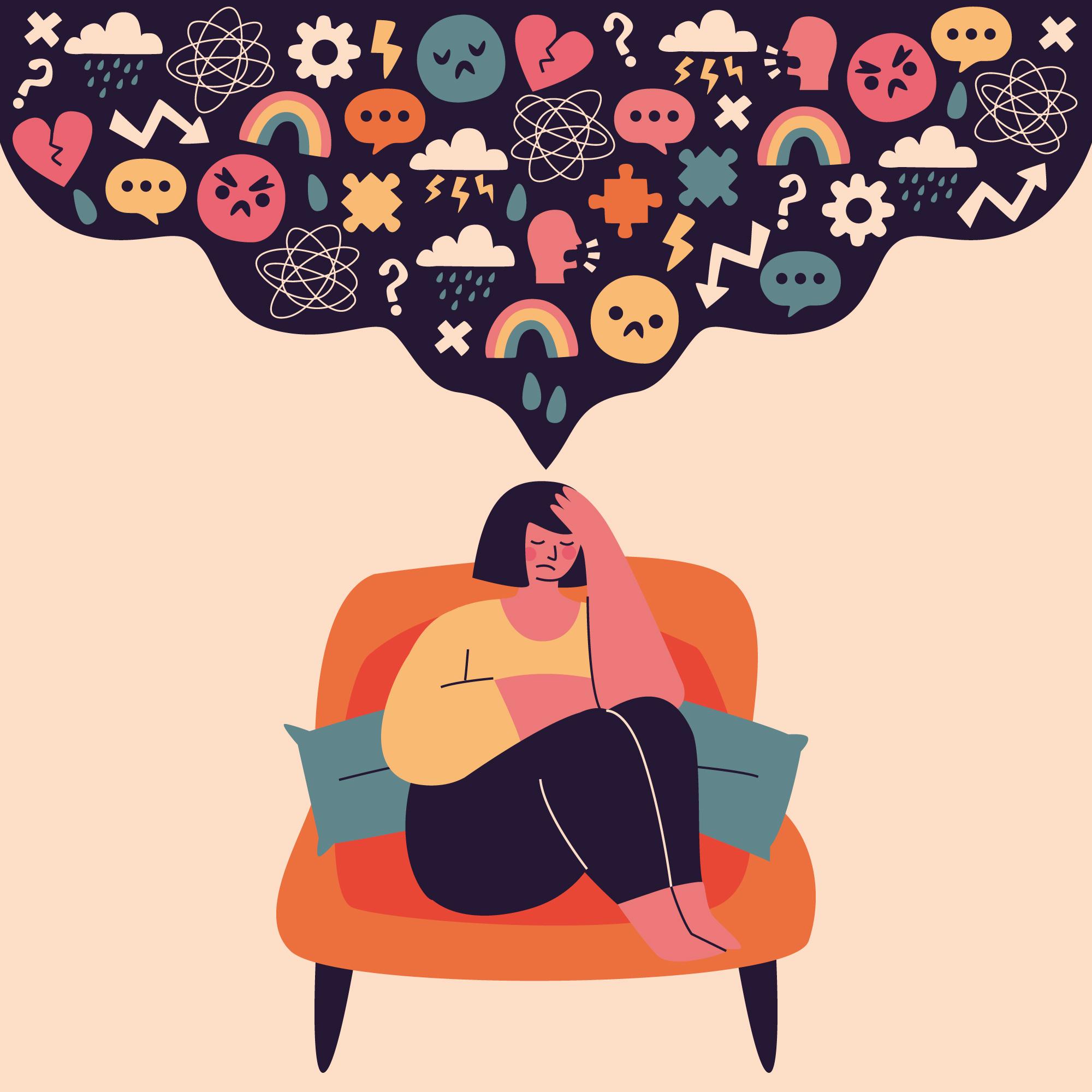
According to the National Healthy Minds Study, 60% of college students reported experiencing mental health challenges in the year 2021. The National College Health Assessment reported that 74% of college students in the same year reported moderate or severe psychological distress. This represents a 50% increase in mental health concerns among college students since 2013, indicating a growing mental health crisis.
Mental health challenges include diagnosable disorders such as anxiety, depression, bipolar disorder, eating disorders, PTSD, and OCD. However, mental health is not reducible to a list of diagnoses. Our mental health suffers simply when our state of mind is not optimal for coping with stress, managing relationships well, or pursuing academic and career goals.
Academic pressures can contribute to mental health challenges. In turn, poor mental health is correlated with an increased risk of poor academic performance during the undergraduate period (Chu et al., 2022). However, it is also important to remember that mental health challenges do not define or determine academic performance or overall success in life. Your college education provides many opportunities to develop skills that will improve mental health, such as resilience, emotional intelligence, confidence, critical thinking, and memory. The effect can then occur in a positive way as well: working hard to improve at something can boost self-esteem and confidence, improving overall mental well-being.
Underlying Reasons for Mental Health Challenges
A variety of factors contribute to mental health challenges—some of which we have more control over than others. Everything from stressful or traumatic life events to genetics, medical conditions, medications, changes in brain chemistry or hormones, social support, and substance abuse can affect mental health. These interacting factors stretch our ability to handle the challenges of life, sometimes to the point where our mental health suffers.
Here are some common underlying stressors that may affect mental health for online students:
Life adjustments. Starting a new degree program or even just a new class is exciting, but it can also be overwhelming. It likely occurs with changes to your schedule and routine.
Social isolation. Online students typically do not interact with their peers in person, which can lead to feelings of social isolation and disconnection.
Chronic stress. Online students are often carrying a number of other obligations in addition to their coursework, such as family responsibilities and a full-time or part-time job. In time, stress related to these obligations can add up. One survey showed that 68% of online students experience chronic stress, compared to 54% of on-campus students. This type of stress can negatively impact your ability to focus and learn effectively.
Academic pressure. While perceived pressure to get good grades and excel in your degree program can be motivating, it can also get to the point where it is overwhelming and negatively impacts mental well-being.
Environmental and physical stress. Sitting for long periods of time, poor posture, spending hours every day looking at a screen, lack of time outside, and the conditions of your living and working spaces can all contribute to your overall load of stress. Inadequate access to food, safe environments, health care, and other needed resources can also be a major stress for some students.
Financial concerns. College courses can be expensive, potentially placing financial strain on individuals and families.
Global or societal concerns. COVID represented a major concern from 2020 to 2022, and many college students today worry about issues such as gun violence, climate change, and AI.
For those who are struggling with mental health, it can be helpful to understand the root causes in order to address the ones that are within your control and learn to cope with the ones that are not.
Tips to Improve Mental Well-Being
Not everyone will experience mental illness, but everyone can work toward greater mental well-being. Below are some helpful areas of focus for cultivating positive mental health:
Develop strong social relationships. Developing strong connections with family members, friends, fellow students, and neighbors is key for mental health! These are people who can support you during difficult times and who you can offer support to in turn.
Practice mindfulness. Take a few minutes during your busy day to be still and practice bringing your awareness to the present moment without passing judgment. Mindfulness provides a pause from churning thoughts and feelings of overwhelm or distress and helps us shift our perspective to view situations more positively. (Learn more about mindfulness here: Mindfulness 101.)
Take care of your body. Focus on getting enough sleep, exercising regularly, and addressing nutritional needs. These habits are foundational for mental health! Getting adequate sleep (6–8 hours per night for most adults) promotes productivity and optimal brain functioning, while sleep deprivation leads to a greater risk of depression and anxiety. Exercise releases endorphins, which are chemicals that enhance your sense of well-being and improve your mood. Under stress, many people tend to either overeat less nutritious foods or do not enough food overall, both of which can contribute to difficulties with mental functioning. Further, deficiencies in certain nutrients, such as omega-3 fatty acids, iron, B vitamins, and vitamin D, can also contribute to mood disorders.
Get outside. Spending time in nature has been shown to decrease feelings of anxiety, depression, stress, and anger. Plus, getting some sunshine every day ensures that your body can produce enough vitamin D, which is vital for mood regulation. Bonus points if you spend time with friends doing something active outdoors!
Build resilience. Learn to view setbacks as opportunities for learning and growth, and actively work toward finding creative solutions.
Gain confidence. You can support your overall well-being by building life skills, such as financial management, stress management, or time management. As you grow in your proficiency, you will gain confidence in your ability to live a successful and meaningful life.
Engage in meaningful hobbies and activities. Find time to engage in activities you enjoy. Whether it’s volunteering, playing sports, creating art, or baking, participating in hobbies provides stress relief and an opportunity to make social connections, relieve stress, build confidence, and give your brain a break!
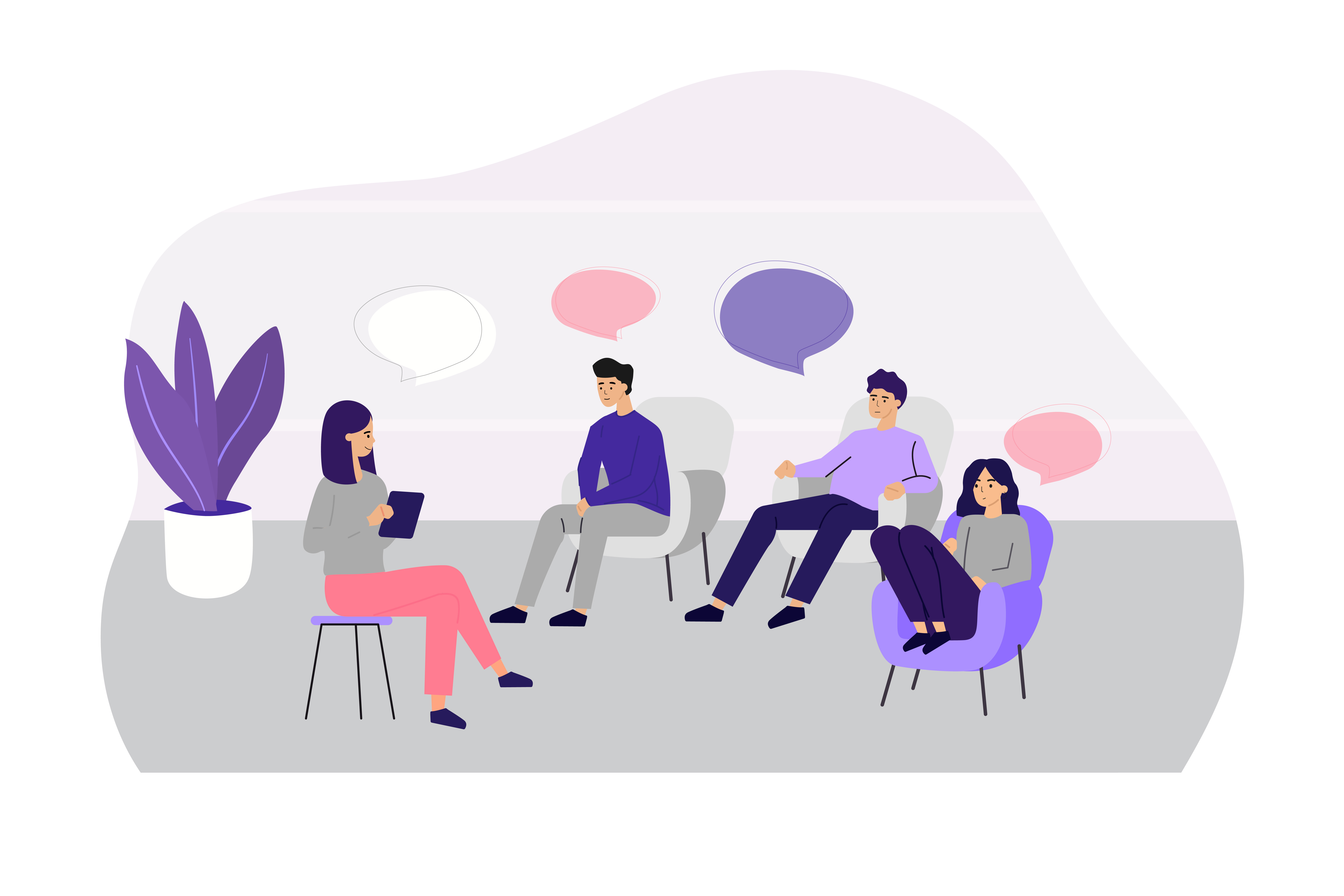
Reach out for help. More and more students are seeking mental health counseling to handle mental health problems. If you are struggling with mental illness, or if you are experiencing feelings of depression, anxiety, grief, or distress for an extended period of time, it may be best to seek professional help.
Educational institutions have seen the need to expand their mental health resources for students, and many are actively working to invest in digital mental health initiatives. Your college or university may offer a variety of resources for both on-campus and online students, including the following:
On-campus counseling
Telecounseling
Referrals to off-campus therapists
Workshops and seminars
Mental health and crisis hotlines
Wellness programs that help students build skills such as resilience, emotional intelligence, and stress management
Telecounseling services are especially beneficial for online students, who often do not live near campus. They offer convenience and flexibility that is critical for bridging the gaps in access to mental health services for students and can lessen the stigma of seeking mental health care.
Cultivating good mental and emotional health is foundational to achieving our full potential in school, in our careers, and as human beings. But it doesn’t happen all at once. It is rather a balance that will improve our well-being throughout our entire lives. Take advantage of the resources available to you to improve your mental and emotional well-being.
Chu, T., Liu, X., Takayanagi, S., Matsushita, T., & Kishimoto, H. (2022). Association between mental health and academic performance among university undergraduates: The interacting role of lifestyle behaviors. International Journal of Methods in Psychiatric Research, 32(1), e1938. https://doi.org/10.1002/mpr.1938